

Application Tips: Choosing the Right Fastener for the Job
Different projects call for different fastening solutions. A screw that works well in a wooden cabinet may not be suitable for a steel frame or an outdoor installation. Factors such as the material, thickness, surrounding environment and expected load all influence the choice. Understanding these requirements before starting can help you select the right fastener and achieve a more dependable finish.
Selecting Screws for Wood and Metal
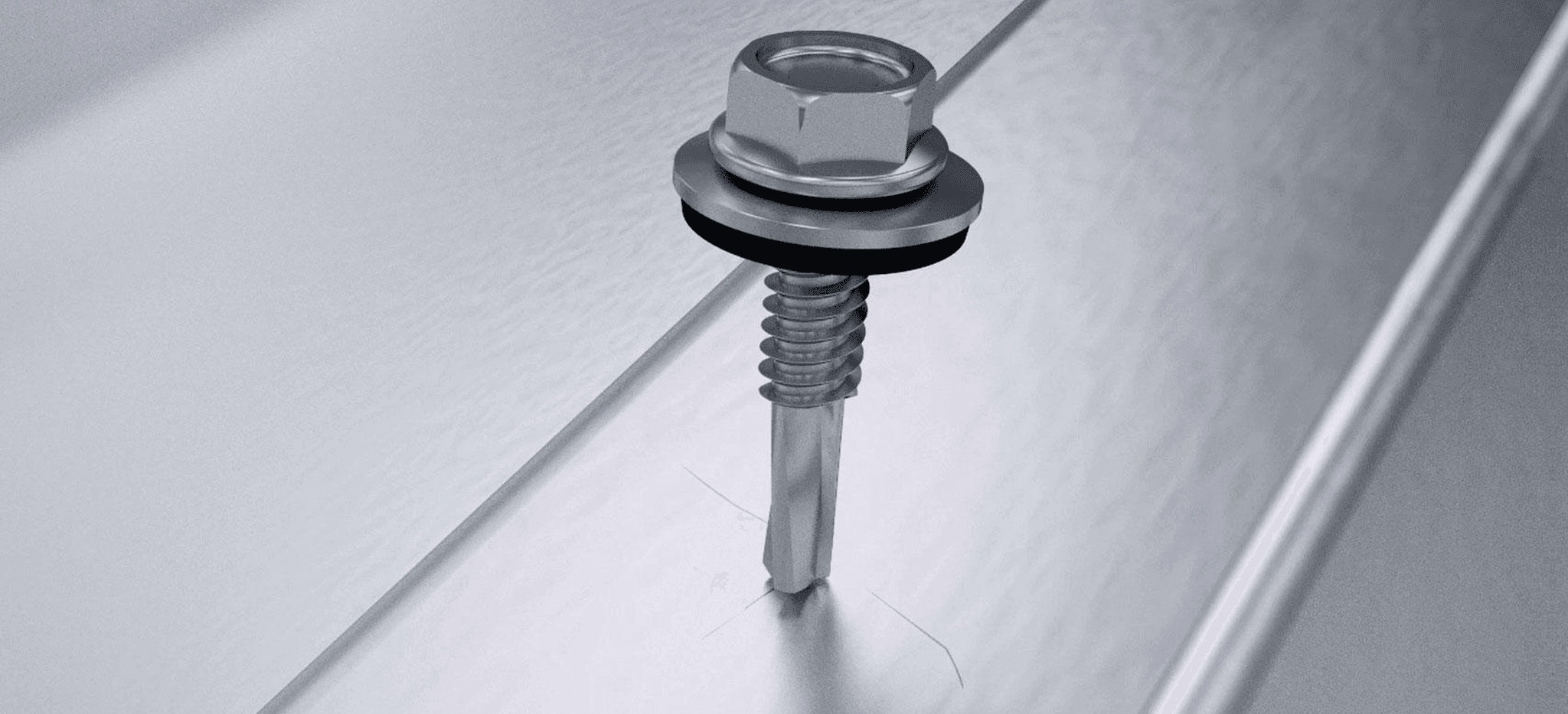
Every part of a screw has a specific function. The head determines how the screw is driven and how it sits against the surface, while the shank provides the main body of the fastener. The threads create the grip needed to hold materials together, and the tip helps the screw enter the material during installation. Thread design is particularly important when selecting a screw. Coarse threads are commonly used in wood and other softer materials, where they can provide a strong grip. Fine threads are often used in metal applications, where their smaller spacing can offer more controlled engagement. The choice also depends on the material's thickness, the required holding strength and the type of joint being assembled.

Consider the Environment and Working Conditions
The material of a screw plays a major role in its strength, durability and resistance to corrosion. Steel screws are commonly used for general fastening because of their versatility, while stainless steel is often preferred in environments where moisture and corrosion are concerns. Other materials and protective coatings may be suitable depending on the working conditions and the demands of the application.
The finish deserves just as much attention as the base material. Coatings can help protect a screw against corrosion and wear, but their suitability depends on where and how the fastener will be used. A screw intended for an indoor furniture project may have different requirements from one exposed to rain, humidity or industrial conditions. Checking these factors before purchasing can help avoid premature deterioration and unnecessary replacement.
Make the Right Choice Before Installation
Selecting the right screw involves more than choosing a size that looks appropriate. Consider the materials being joined, the thickness of each component, the expected load and the conditions in which the assembly will be used. The correct length, diameter, head type and driver can all contribute to a better installation.
A well-matched fastener helps reduce installation problems and supports the reliability of the finished joint. By paying attention to thread design, material and finish, you can make a more informed choice for everything from simple household repairs to demanding construction and fabrication work.